The Gouda, The Brie, and The Ugly: Cheese Name Origins Explained
Have you ever found yourself staring at the cheese aisle wondering why on earth certain cheeses have such quirky names? It's not just you! From Gouda and Brie to Stinking Bishop (yes, that's a real cheese), the names of these dairy delights are as intriguing as their flavors. Every cheese has a story, and today, we're about to slice into the delicious history behind some of the most famous—and infamous—cheese names.
Cheese names aren't just a product of whimsy; they’re often steeped in history and culture. Some are named after the regions they come from, while others bear the names of their inventors or even saints. Dive in with us as we journey from the rolling hills of France to the bustling markets of the Netherlands, revealing the tales and traditions that make these cheeses household names. And don't worry, we’ve sprinkled in enough cheesy puns to keep you entertained!
So grab a cracker, maybe a glass of wine, and get ready for a cheesy adventure. Whether you're a casual cheese lover or a full-blown curd nerd, by the end of this article, you'll have a newfound appreciation for the stories and characters that give our favorite cheeses their flavorful names.
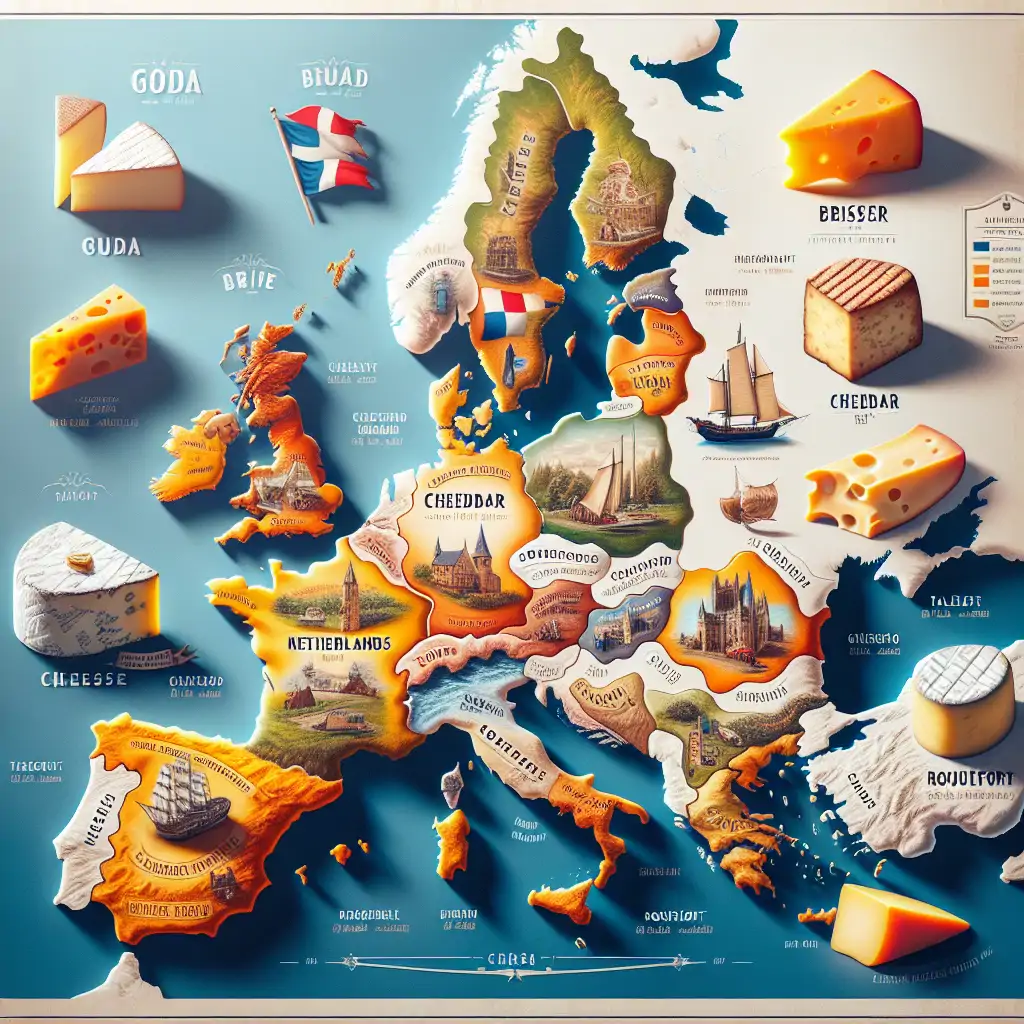
Gouda: A Dutch Delight
Our first stop is the Netherlands, home to the famous Gouda cheese. But did you know that Gouda isn't just a type of cheese, it's also a city? Gouda (pronounced 'HOW-da' by locals) gets its name from the town of Gouda in South Holland where the cheese has been traded for centuries. The cheese itself has a mild, creamy flavor that becomes more robust with age, much like the town's legacy in the cheese world.
Brie: The Queen of Cheeses
Next, we head over to France, specifically the Île-de-France region, known for producing the ooey-gooey delight that is Brie. Named after the French region of Brie, this cheese is often referred to as 'The Queen of Cheeses.' Its soft, creamy texture and mild flavor have made it a staple in cheese platters worldwide. Legend has it that during the French Revolution, Brie was offered as an olive branch to calm angry mobs. A peace-making cheese? Sign us up!
Cheddar: Aging Like Fine Wine
Crossing the Channel, we reach England, the birthplace of Cheddar. Named after the village of Cheddar in Somerset, this cheese has been made since at least the 12th century. The caves in Cheddar Gorge offer the perfect environment for aging cheese, leading to the creation of this sharp, tangy cheese. Cheddar isn't just a cheese; it's a testament to the ingenuity and resourcefulness of early cheese makers.
Taleggio: An Italian Treasure
Our next destination is Italy, home to the pungent and delicious Taleggio. Originating from the caves of Val Taleggio in Lombardy, this cheese is one of the oldest soft cheeses, with a history dating back to the 10th century. The name Taleggio doesn't just denote its place of origin; it signifies a tradition of cheese-making that has been perfected over millennia. Its distinct aroma and fruity tang make Taleggio a favorite among gourmet cheese lovers.
Roquefort: The Blue Jewel of France
Back to France we go, this time to the caves of Roquefort-sur-Soulzon. Roquefort is named after this village where it’s been aged in natural caves since Roman times. Legend says that a young shepherd, distracted by love, left his meal of bread and cheese in one of these caves. Returning days later, he discovered that the mold in the cave had transformed his cheese into the blue-veined wonder we now call Roquefort. Whether or not the story is true, one thing's for sure: Roquefort is a cheese fit for legends.
Stinking Bishop: Not Your Average Joe
Finally, let’s address the elephant in the cheese room—Stinking Bishop. This English cheese is infamous for its intense aroma, which can be quite off-putting for the uninitiated. The name itself comes from the Stinking Bishop pear, used in the production of the perry (pear cider) that’s washed over the cheese. Created by Charles Martell in Gloucestershire, this cheese is as bold in name as it is in flavor. If you’re feeling adventurous, give it a go—just have some air freshener handy!

So there you have it, the delightful origins of some of the world’s most beloved cheeses. Each name carries its own history, often as rich and layered as the flavors of the cheeses themselves. From the tranquil valleys of Italy to the bustling markets of Holland, the stories behind these names add an extra sprinkle of intrigue to your cheese board.
The next time you're at a social gathering and someone marvels at the creamy texture of Brie or the sharp bite of Cheddar, you'll have just the right anecdote to share (along with a well-timed cheese pun, of course). Whether it’s the noble history of Roquefort or the quirky charm of Stinking Bishop, the narratives behind these names make the cheese-tasting experience all the more delightful.
Remember, cheese isn't just food—it's a conversation starter, a piece of history, and an adventure for your taste buds. So go forth, try new cheeses, savor their stories, and share a laugh or two along the way. Happy cheese tasting!

Katie
Katie is a wildlife guru by day and a passionate part-time blog writer. With her deep expertise in nature and a gift for vivid storytelling, she crafts compelling articles that bring the wonders of the wild to life, captivating readers with her knowledge and love for the natural world.
A proud member of the B-Team
If you're curious to dive deeper into related topics, then you may find these external links useful.
1. Cheese.com
An extensive database of cheeses from around the world, including information on origin, flavors, and production.
https://www.cheese.com/2. BBC Good Food - Cheese Guide
A guide to different types of cheeses, their history, and culinary uses, which provides context for renowned cheese names.
https://www.bbc.co.uk/food/cheese3. The Spruce Eats - A Guide to Cheese
An informative guide on cheese varieties, detailing the cultural and historical significance behind some famous cheese names.
https://www.thespruceeats.com/guide-to-fresh-cheese-5912164. Culture Cheese Magazine
A magazine dedicated to cheese lovers, offering stories about cheese-making and the unique traditions behind different cheese names.
https://culturecheesemag.com/5. Gourmet Traveller - Cheese History
An exploration of cheese origins and names, delving into the historical and geographical roots of well-known cheeses.
https://anycheese.com/articles/origin-cheesemaking/©2023 - 2026 SP Software Solutions Ltd. All rights reserved.