The Cheese Detectives: Unraveling Mysteries of Ancient Cheese
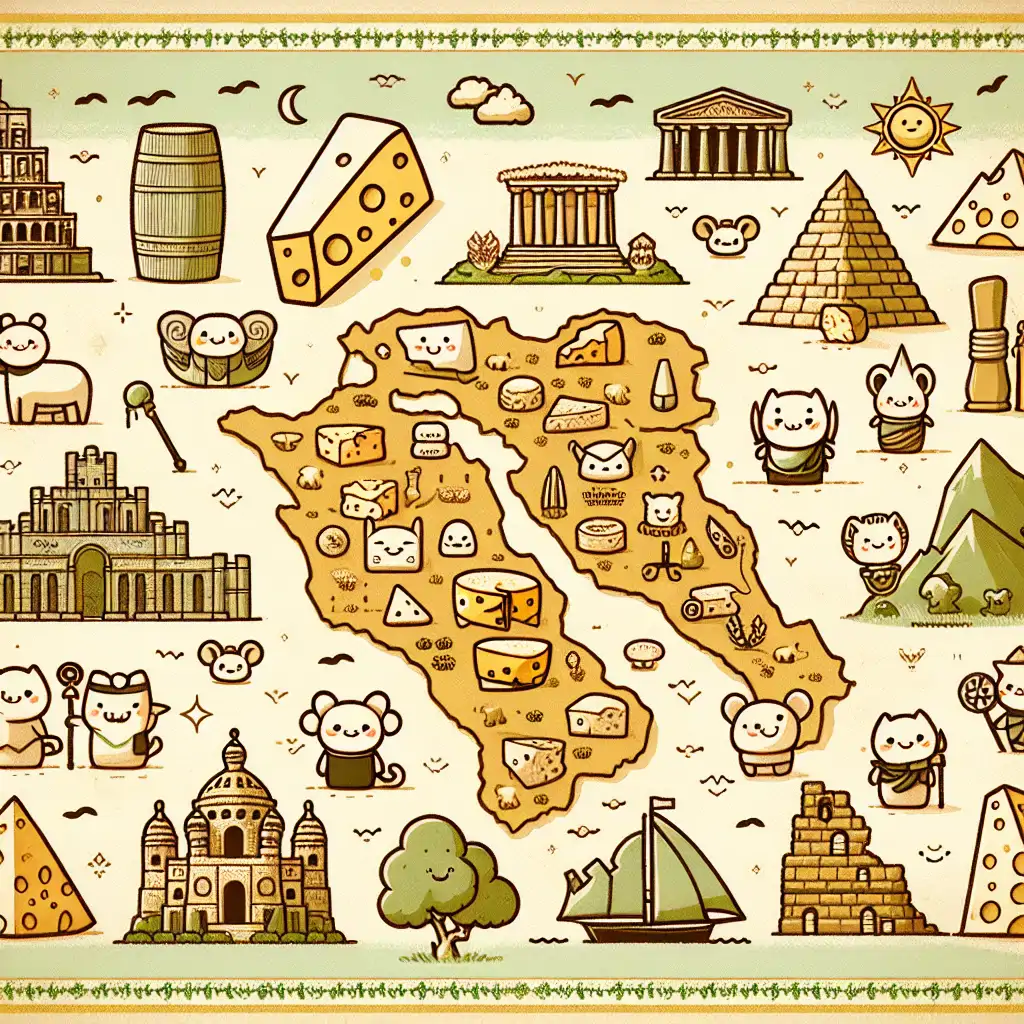
Welcome, dear reader, to the fascinating and unexpected journey through the annals of ancient cheese. Imagine yourself as a cheese detective—a connoisseur with a magnifying glass, unraveling tales as cheesy as they are captivating. From tombs in Egypt to bogs in Europe, cheese isn’t just a staple on modern platters; it has a storied history that reads like an Indiana Jones script, albeit with a stronger aroma. Our exploration pairs archaeology with gastronomy as we uncover how cheese was more than just sustenance to ancient cultures—it was currency, medicine, and even an offering to the gods. Prepare to dive deep into this rich, flavorful timeline, connecting the dots between traditions of yore and the cheeses we relish today.
In the days when history was chronicled by scribes and hieroglyphs, cheese made its debut as a symbol of nourishment and wealth. Long before lactose intolerance became a party foul, ancient civilizations from the Egyptians to the Romans embraced this fermented delight. Ancient cheese remnants have been unearthed from various historical sites, offering glimpses into early cheese-making processes and their prominent roles in both daily life and special occasions. So, lace up your explorer boots and ready your palates as we step back in time, tracing the multitude of ways cheese was crafted and cherished across the ages.
As we embark on this flavorful adventure, expect surprising revelations about ancient cheese's roles. You’ll uncover how cheese became a medicinal remedy as trusted as an ancient GPS, guiding culinary hunters through new territories. Envision cheese not just as food, but as a multifaceted element deeply ingrained in the tapestries of culture and commerce. From crafting methods to its lofty status, our journey will link age-old practices with today’s cheese culture. Ready to don your detective cap and delve into the relics of cheese’s past? Let's dive into this riveting and cheesy exploration!
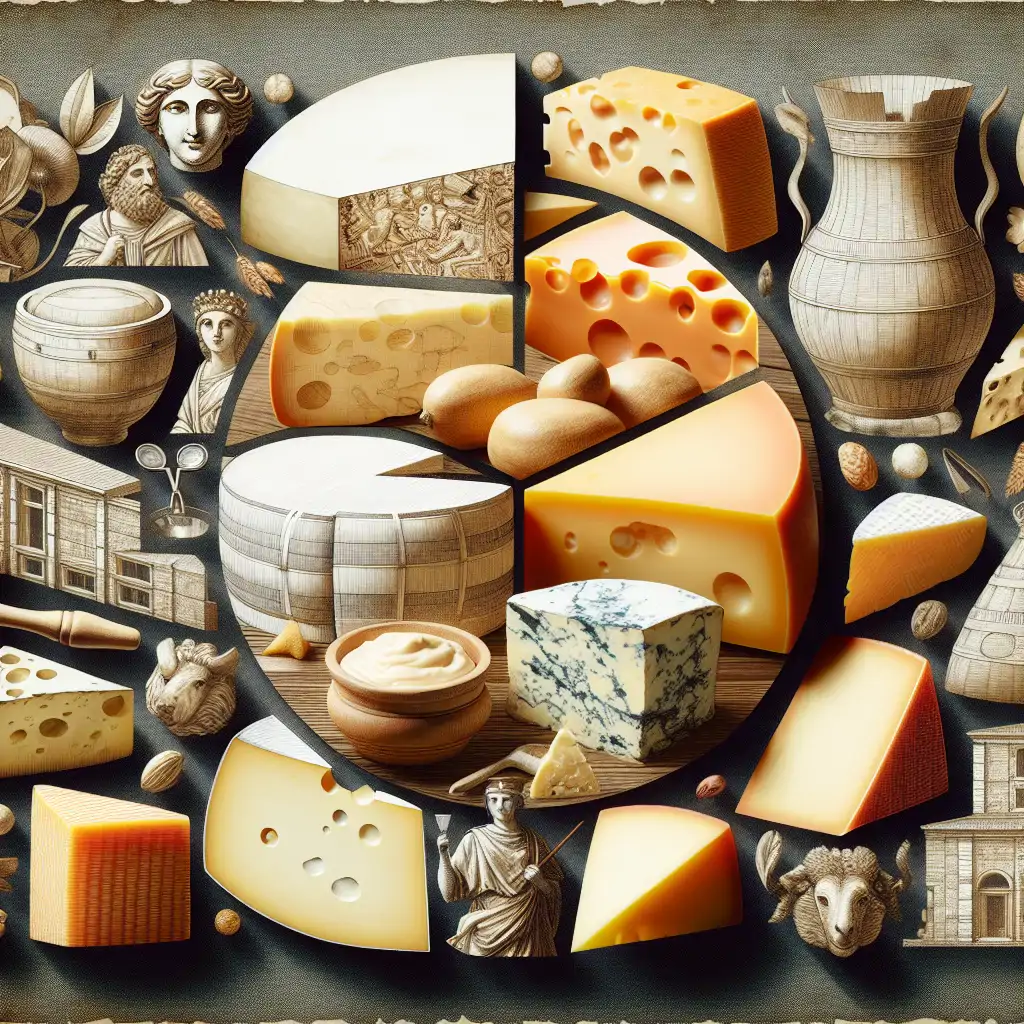
Let’s start our journey where the sun always shines—the land of pharaohs and pyramids. Ancient Egypt, renowned for its architectural wonders, also had a penchant for cheese. Like a fine Gorgonzola, a cheese dating back over 3,200 years was discovered in the tomb of Ptahmes, a high-ranking Egyptian official. This discovery added a rich layer to our understanding of Egyptian dietary staples, revealing cheese as a cherished item for both the living and the deceased. It wasn’t just a snack; it was believed to be a sustenance for the afterlife, a path to nourish souls on their journey to eternity.
From Egypt, our archaeological tasting platter moves to China, where cheese traces were discovered on mummies from the Taklamakan Desert. These remnants date back 3,600 years, making them some of the oldest preserved cheeses known. This intricate whodunit reveals cheese was not just European fare, but spanned continents, gracing tables in ancient Asian cultures as well. The cheese found here wasn't your everyday Cheddar; it’s believed to be a primitive kefir cheese, crafted not by curdling milk with rennet, but by a natural fermentation process using water and bacteria.
In Europe, our cheese detective saga takes a dramatic turn in Poland, with the discovery of cheese strains dated to 5,500 BCE. That’s a historic bite worthy of a standing ovation! Archaeologists unearthed strainers with milk-fat residues, suggesting that Neolithic peoples crafted cheese long before writing their histories. This find illustrates that cheese-making was a sophisticated affair, not just an accidental by-product of milk left in the sun. It highlights an advancing society, delving into fermentation and refining culinary craft.
The Romans believed cheese was a gift from their god Saturn, who taught mortals the alchemy of milk transformation. During their conquests, they spread cheese-making techniques across Europe, embedding it into diverse cultures like whispers in the wind. As the Roman Empire expanded, they also established the cheese market as a legitimate trade system, akin to today’s economic powerhouses. Roman soldiers, marching with provisions stronger than shields, included aged cheeses in their rations, a testament to cheese’s role as a companion through battles and travels.
Zoom into Northern Europe and you'll encounter the enigmatic ‘bog butter.’ This wasn’t butter as we know it but possibly a cheese-like substance preserved in peat bogs, with some finds dating back over 3,000 years. These wet, cold environments became natural refrigerators, maintaining cheese quality surprisingly well over millennia. While its use is still shrouded in mystery, it’s speculated to have been an offering to deities or a method of storage and preservation, symbolizing cheese’s lasting presence in cultural rituals and daily life.
Across the seas to Central America, you’d discover the Aztecs who, while not known for cheese dairying, provided a cultural setting where fermented goods held similar reverence. The intersection between Mayan and Aztec practices shows that while dairy wasn't prevalent, fermentation, crucial to cheese-making, was an art form embedded in their culinary traditions, beautifully illustrating a parallel evolution of taste and craftsmanship.
Leaning into speculative urban legends and some archaeologists' bold claims, cheese was occasionally used as currency. Imagine that! Before bitcoins and paper, there was monochrome cheese. Historical records indicate that in some communities, cheese was an accepted medium of exchange, a measure of wealth and trade. This not only suggests cheese's monetary value but also its standing as a coveted luxury, further elevated by its intricate and labor-intensive creation process.
Now, travel with us to ancient Greece, where cheese held medicinal value. The physician Hippocrates, a proponent of the healing arts, often documented cheese as a sustenance offering robust health benefits. Cheese, seen as a form of nourishment, was prescribed to strengthen bodies and even heal various ailments, showcasing early links between food and medicine long before supplements became the norm.
Further on, glimpses into ancient texts unfold cheese's significant religious and cultural influences. Cheese offerings were made to gods in temples as sacred gifts, reflecting cheese’s role as divine nourishment. Festivals celebrated cheese much like today’s block parties with charcuterie platters, highlighting cheese as a celebratory symbol in societal gatherings.
By now, you might be wondering how these ancient practices shaped modern cheese varieties we savor. Each archaeological find serves as a blackboard for anthropologists and food historians alike, offering a snapshot of past processes that influenced today’s cheese repertoire. Discoveries of ancient cheese molds and strains provide insights into the fermentation processes, the types of milk used, and the environmental conditions that contributed to the unique flavors we celebrate today.
Consider the case of Parmigiano Reggiano, often dubbed the 'king of cheeses.' Its method reflects the long-standing tradition we traced back to the Romans, with enhancements from medieval developments. This beloved cheese’s precise aging and flavor owe much to historical practices layered with modern technological enhancements.
French cheeses, celebrated for their diversity and refinement, hark back to Gaul’s ancient cheese innovations during Roman times. The combination of Gallic cheese techniques with Roman influences birthed some of the world’s most exquisite cheeses. Today’s Roquefort or Camembert, know for their rich textures and flavors, are culinary luxuries rooted deep in historical crafting traditions.
Moving forward in our timeline, the impact of Mongolian and Turkish cheese practices cannot be understated. The nomadic roots of these cultures meant curdling milk for cheese was an essential survival strategy, leading to hard, aged varieties like Kurt and Kaimak that resonated with their robust, pastoral lifestyle. These cheeses, withstood time much like the cultures that created them, are perfect examples of ancient techniques meeting cultural needs.
Fast-forward to today, cheese continues to preserve its lofty status, interestingly as one of the most globally beloved foods. Its journey from an ancient delicacy to a culinary staple mirrors the evolution not only of taste but also of the cultural and societal transformations across centuries.
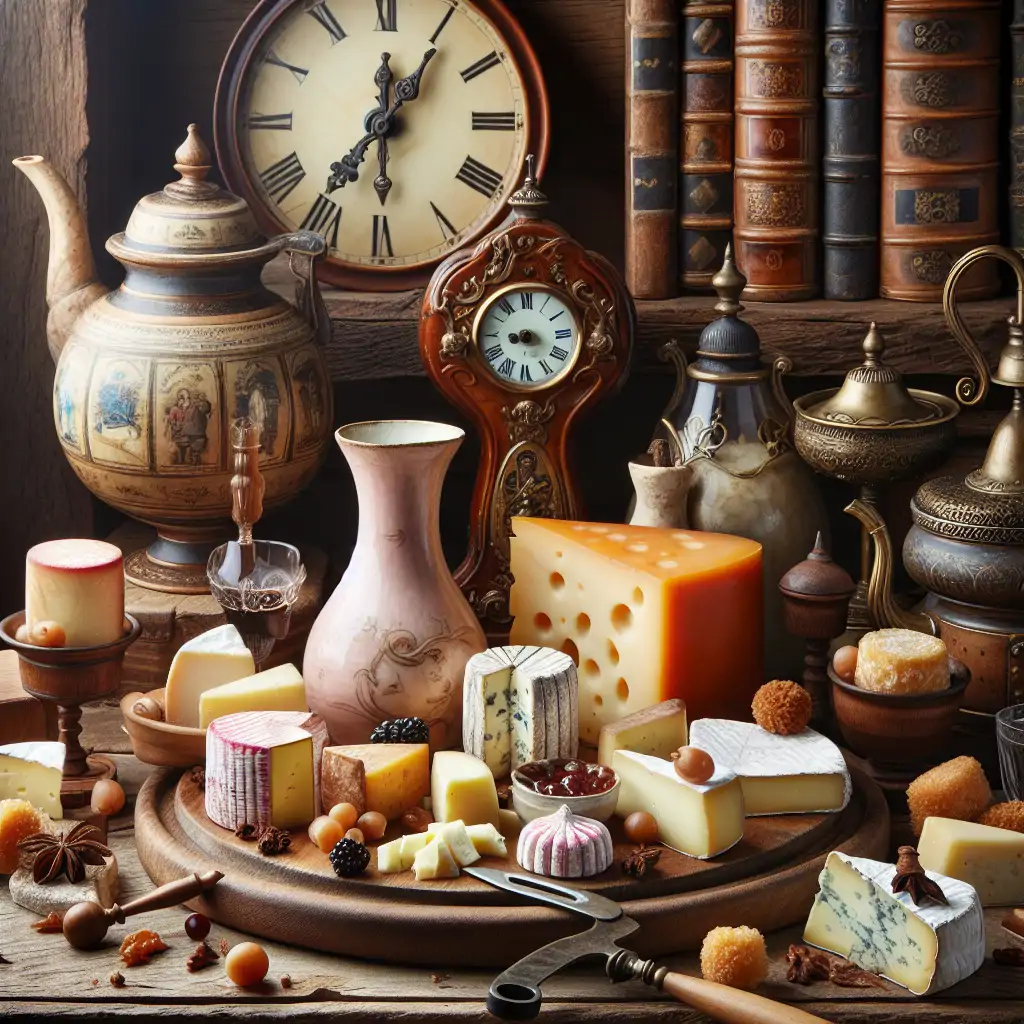
As our journey comes to an end, it’s a joyous occasion to reflect on how ancient traditions lend themselves to the cheese culture we enjoy today. Each bite of cheese intertwines threads of history, weaving connections to ancient civilizations that crafted and cherished cheese with devotion as strong as any epic saga. The legacy of the ancients lives on through our cheese boards, echoing timeless stories of innovation and tradition.
Modern cheese-making is as much an art as it is a science. The connection between past and present is vividly tasted with every slice, reflecting a symphony of flavors perfected over millennia. These relics of history remind us of a time when cheese was more than nourishment—it was a way of life, economic strength, and spiritual offering. The stories of ancient cheese continue to enrich our modern understanding and appreciation of this universally cherished comfort food.
So next time you enjoy a piece of your favorite cheese, know that you are partaking in a tradition steeped in history, one that mirrors humanity’s journey through ages past. Allow yourself a chuckle as you indulge and consider that somewhere in time, a cheese detective once unearthed a mystery that seamlessly connected us across the span of time. May your newfound appreciation of ancient cheese deepen your love for the rich tapestry of cheese history that we continue to celebrate today.
Thanks for taking the time to read my article! You may also find this one interesting.
Cheesin' Around: Unusual Cheese Traditions from Faraway LandsTil next time! Katie

Katie
Katie is a wildlife guru by day and a passionate part-time blog writer. With her deep expertise in nature and a gift for vivid storytelling, she crafts compelling articles that bring the wonders of the wild to life, captivating readers with her knowledge and love for the natural world.
A proud member of the B-Team
If you're curious to dive deeper into related topics, then you may find these external links useful.
1. Ancient Egyptian Cheese Discovery
Details about the discovery of ancient cheese in Egyptian tombs, especially the one found in the tomb of Ptahmes, providing insight into its cultural significance.
https://www.bbc.com/news/world-africa-452333472. Ancient Cheese in Taklamakan Desert
Article on the discovery of 3,600-year-old cheese on mummies in China, highlighting its historical and cross-continental importance.
https://edition.cnn.com/2024/09/25/science/oldest-cheese-ancient-dna-china-mummies/index.html3. Bog Butter in Europe
Exploration of bog butter, a cheese-like substance, preserved in European peat bogs for millennia, revealing methods of ancient preservation.
https://www.rte.ie/brainstorm/2024/0911/1469409-ireland-bog-butter-history-food-archaeology/4. Roman Cheese-Making Techniques
A detailed look at how Romans attributed cheese to the god Saturn and spread cheese-making techniques across Europe during their conquests.
https://www.unrv.com/food/cheese.php5. History of Cheese as Medicine
Examination of how ancient Greeks, including Hippocrates, used cheese for its medicinal properties, offering a connection to early food medicine practices.
https://www.ncbi.nlm.nih.gov/pmc/articles/PMC4263393/©2023 - 2026 SP Software Solutions Ltd. All rights reserved.