Moo-ving to Melting Point: The Science Behind Cheesy Gooeyness
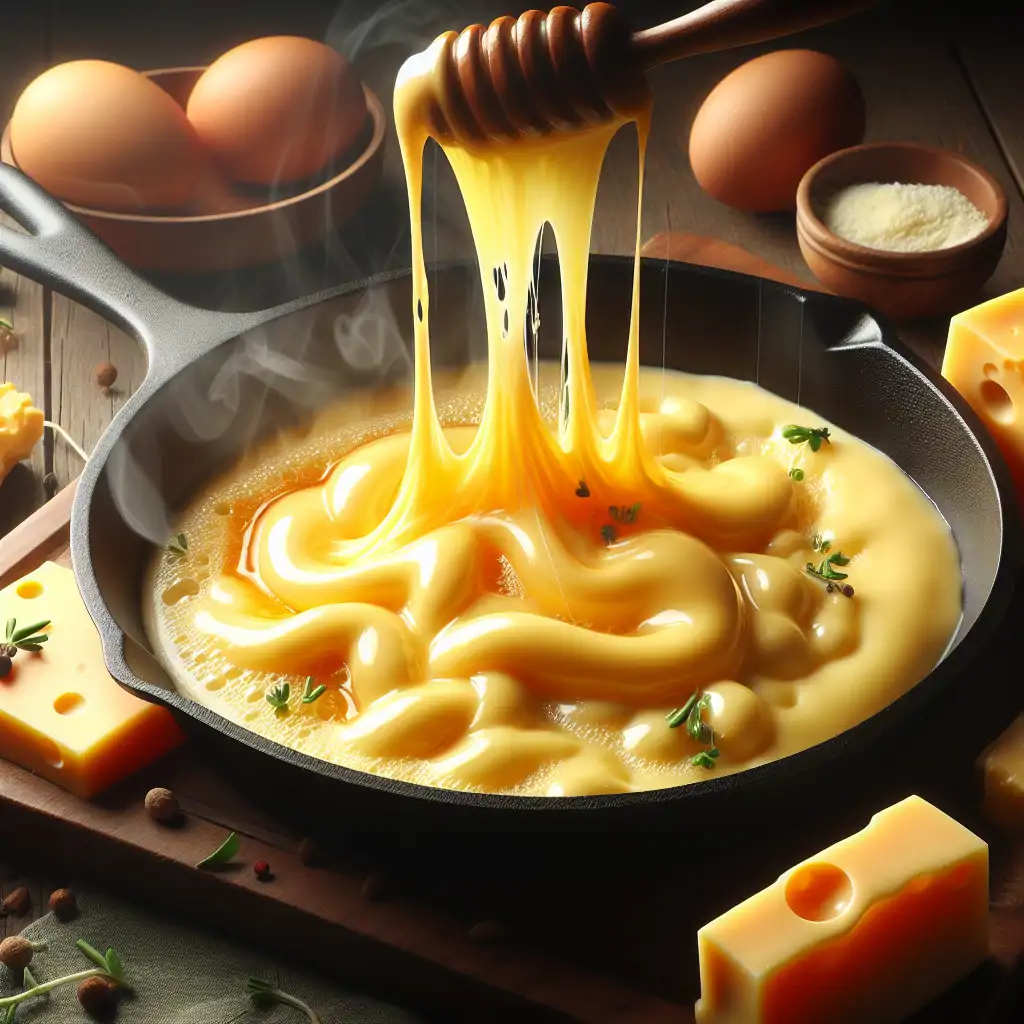
Ever wondered why some cheeses transform into an irresistibly gooey delight, while others staunchly refuse to melt? Is there a secret code known only to cheese whisperers in the Alps? Fear not, cheese aficionados, we've got the answers for you!
In this article, we're pulling back the curtain on the mouth-watering world of melted cheese. From the complex dance between proteins and fats to the quirks of aging, we’ll uncover the molecular magic that turns a solid block of cheese into a gloriously gooey masterpiece. Whether you're aiming for the perfect cheese pull or just want to avoid a melting mishap, we've got the juicy details you need.
So grab a wedge, find your favorite melting tool, and let's dive into the science that makes cheese so deliciously stretchable!
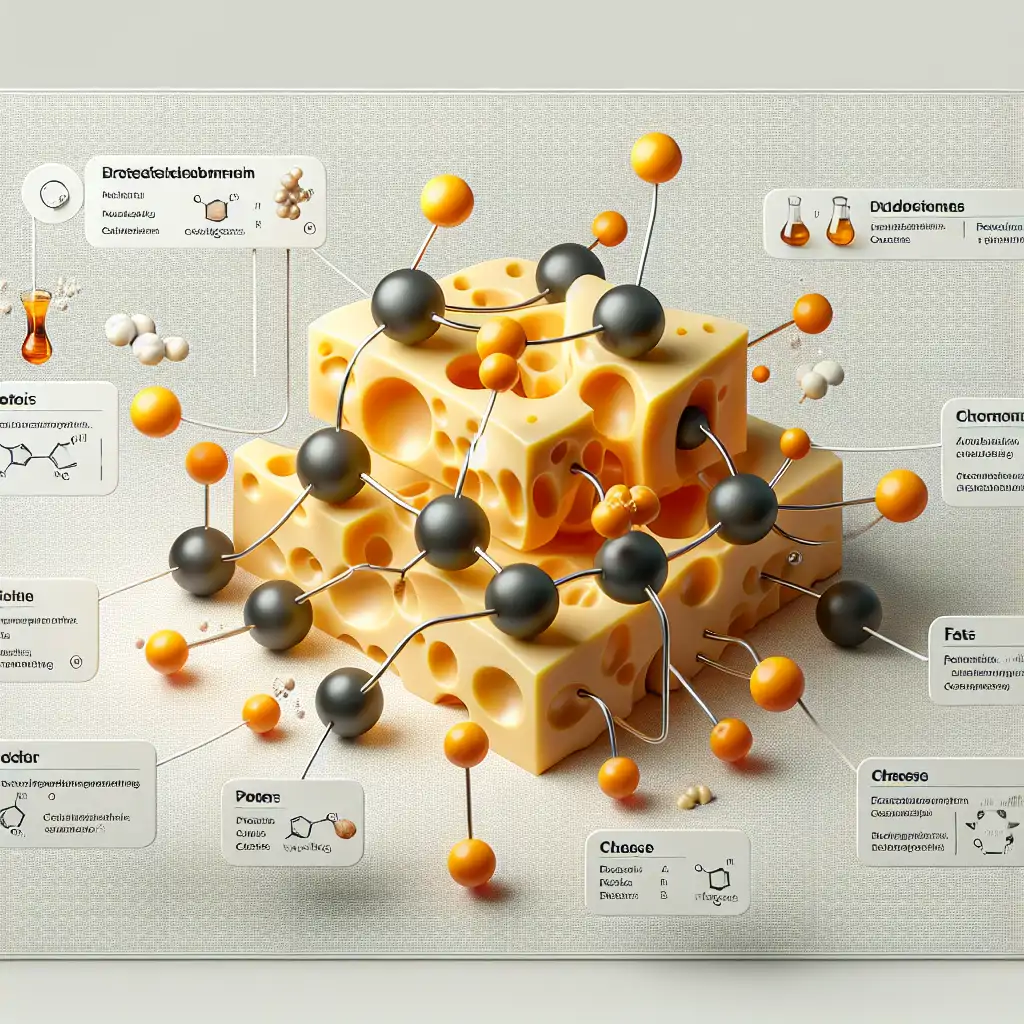
To understand the art of melting cheese, we need to get nerdy and delve into its composition. Cheese is primarily made up of proteins, fats, and water, each playing a vital role in its melting behavior.
Protein Power
Proteins in cheese are primarily casein proteins. When cheese is heated, these proteins begin to break down and soften, allowing the cheese to stretch and melt. However, the type and age of the cheese heavily influence this process. Younger cheeses, such as mozzarella and Monterrey Jack, have proteins that are less bound together, making them perfect for gooey melts. Meanwhile, older cheeses like Parmigiano-Reggiano have more complex protein networks, making them less prone to melting.
Fabulous Fats
Fats are the unsung heroes of melting cheese. They act as a lubricant, getting in between the proteins and helping them to flow smoothly. High-fat cheeses tend to melt better than low-fat counterparts. This is why creamy cheeses like Brie and Camembert offer such luscious melts.
Water Wonders
The water content of cheese also plays a crucial role. Cheeses with higher moisture are more likely to produce that desirable gooeyness. This is why fresh cheeses like Ricotta and young Cheddar melt into soft, delightful puddles.
The Role of Aging
Aging, or affinage, affects the protein and fat structure of cheese, altering its melting properties. As cheese ages, its moisture content decreases and its proteins crystallize, making it less likely to melt smoothly. Young cheeses are typically the best candidates for melting, while older cheeses might need a helping hand with some added moisture or fat to coax them into melting submission.
pH Levels
Another sneaky factor in cheese meltability is its pH level. Cheese with a pH level around 5.0 to 5.4 is usually optimal for melting. At this pH, the proteins have loosened just enough to encourage smooth melting. Cheeses like Gouda and Fontina fall into this pH sweet spot, making them excellent melting choices.
Stretch That Cheese!
Ever been mesmerized by the perfect cheese pull on your favorite food channel? The stretchiness of melted cheese is a visual testament to its melting prowess. The secret behind this dramatic effect lies mostly in the type of cheese. Cheeses like mozzarella owe their stretchy nature to their unique manufacturing process, which aligns the proteins in long, fibrous structures that stretch beautifully when melted.
Common Melting Mishaps
Not all cheese melting endeavors end in gooey goodness. Sometimes, cheese can break, separate, or even turn rubbery. To avoid these pitfalls, make sure to melt cheese slowly over low heat. If you're dealing with a particularly stubborn cheese, consider adding a little wine or lemon juice to the mix. The acid can help to keep the proteins from clumping together and the liquid adds the needed moisture.
Tips for Melting Success
- Choose the Right Cheese: Opt for cheeses known for their melting properties, such as mozzarella, cheddar, gouda, and fontina. 2. Shred or Grate: Smaller pieces melt more evenly and quickly. 3. Low and Slow: Melt cheese slowly over low heat to prevent separation and clumping. 4. Add Starch: A teaspoon of cornstarch can help cheese sauces stay smooth. 5. Embrace Acidity: A splash of white wine or beer can add flavor and aid in a smoother melt. 6. Keep it Moist: High moisture cheeses melt better, so avoid low-fat options.

Now that you're armed with the science of cheese melting, you're ready to conquer any cheesy recipe that comes your way. Remember, the key to a successful melt is understanding the balance of proteins, fats, and moisture, along with the right techniques.
So whether you're crafting the ultimate grilled cheese, a perfect fondue, or a decadent mac and cheese, you'll be able to achieve that drool-worthy gooeyness every time. And next time someone asks you why their cheese isn't melting right, you'll be able to dazzle them with your newfound cheese wisdom.
Go forth, cheese lovers, and melt away! May your cheese pulls be long and your melting endeavors ever glorious.
Thanks for taking the time to read my article! You may also find this one interesting.
Cheese Whizzes: Geniuses Who Revolutionized CheesemakingTil next time! Prijanka

Prijanka
Prijanka is a wellness coach and inspired blog writer. Drawing from her expertise in holistic health and her talent for motivating others, she writes insightful articles that empower readers to live healthier, more balanced lives, blending practical advice with a genuine passion for well-being.
A proud member of the B-Team
If you're curious to dive deeper into related topics, then you may find these external links useful.
1. Cheese Chemistry 101
An in-depth exploration of the chemical composition of cheese, focusing on proteins and fats, and how these elements contribute to melting behavior.
https://books.rsc.org/books/edited-volume/2085/chapter/7622562/Introduction-to-Cheese-Chemistry2. The Art of Cheese Aging
A comprehensive guide on how aging affects the structure and melting properties of cheese, providing insights into affinage techniques.
https://cheeseforthought.com/introduction-to-cheese-aging/3. Perfecting Cheese Melts
Pro tips and techniques for achieving the perfect melted cheese, including the role of pH levels and moisture content.
https://meatcheftools.com/how-do-you-melt-cheese-nicely/4. The Science Behind Cheese Pulls
A detailed look at the factors contributing to the stretchiness of melted cheese, particularly in cheeses like mozzarella.
https://www.insidehook.com/food/the-science-behind-why-the-cheese-pull-makes-you-hungry5. Common Cheese Melting Mistakes
An analysis of typical errors in melting cheese and solutions to prevent issues such as separation and clumping.
https://meatcheftools.com/how-do-you-melt-cheese-nicely/©2023 - 2026 SP Software Solutions Ltd. All rights reserved.